How to Get More Customers From Google
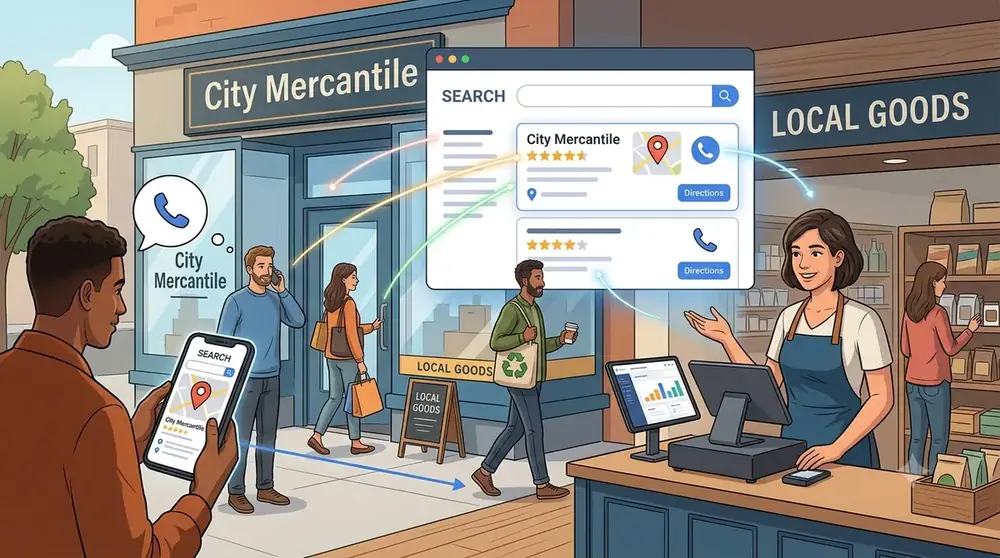
Google can help businesses reach customers who are actively searching for the products or services they need. But ranking alone isn't enough. The goal is to appear for the right searches and make it easy for people to contact, visit, or buy from you.
Introduction
Focus on useful, high-intent searches
Google can empower businesses to get customers with high intent for products or the services they need.
People often search Google before choosing a business. However, ranking alone isn't enough. The goal is to appear for the right searches and make it easy for people to contact, visit, or buy from you.
Google traffic can come from both regular search results and local results, including Google Maps. For small businesses, both can become useful sources of potential customers when the business information, website, and customer experience are properly managed.
Create and Optimize Your Google Business Profile
Keep your business information complete and accurate
To use this benefit, owners have to create a Google Business Profile first. But creating a business profile isn't enough; owners should optimize it so that Google can better understand the business and show it in relevant local searches.
Here are the steps:
- Verify the Business Profile.
- Use the correct business name, category, address, phone number, and hours.
- Keep business information accurate and updated.
- Add relevant business attributes.
- Add photos and videos.
- Add products where the feature is available.
- Keep special and holiday hours updated.
Google specifically says complete and accurate business profile information can help businesses appear in relevant local searches.
Example: An electronics repair shop should clearly show that it is an electronics repair shop, including opening hours, location, phone number, photos, and relevant products or services.
Target the Searches Your Customers Actually Use
Do not optimize your business only for broad keywords such as mobiles, shoes, or furniture. Instead, think about searches that show stronger customer intent.
Examples include:
- mobile store near me
- best shoe store in Gaya
- affordable furniture store in Manpur
Google recommends using words that people actually use to search and placing them in important parts of the page, such as titles and headings.
To improve your chances of appearing in relevant searches, first understand how your customers search. Use specific phrases, consider location-based searches for local businesses, and separate informational searches from searches that show buying or service intent.
Create Helpful Pages for Your Services or Products
When making a website for a business, don't rely only on the home page. Create useful pages that clearly describe what your business sells or offers.
Examples include:
- /web-design
- /accounting-services
- /digital-marketing
- /plumbing-services
- /business-loans
Each page should clearly explain:
- What you offer
- Who it is for
- Benefits
- Pricing information
- Service area
- How to contact you
- Frequently asked questions
Write Blog Content That Answers Customer Questions
This is where SEO can connect with your blog strategy and potentially help owners grow their businesses. Instead of writing random articles, write about questions potential customers are actually asking.
For example, a tax consultant could write articles about:
- How to Calculate GST on a Business Invoice
- What Documents Do Small Businesses Need for Tax Filing?
- How to Keep Business Expenses Organized
You can also use AI to generate blog ideas according to your business category. However, the final content should be reviewed and improved so it provides genuinely useful information.
When creating business blog content:
- Answer real customer questions.
- Give practical information.
- Add original examples.
- Link relevant articles to your services.
- Don't write articles simply to hit a particular word count.
Google explicitly says there isn't a preferred word count that guarantees rankings.
Get More Genuine Google Reviews
Reviews matter for the growth, reputation, and customer trust of a business, especially for small and local businesses.
Here are some ways to get genuine reviews:
- Ask genuine customers for reviews.
- Make the review process easy.
- Respond to reviews.
- Respond professionally to negative reviews.
- Never create fake reviews or manipulate ratings.
Google says reviews and positive ratings can help a business's prominence in local results, and responding to reviews can help a business stand out.
Example: A customer buys a product. The business then sends a polite review request. The customer provides genuine feedback, and the business responds to it professionally.
Add High-Quality Photos and Videos
For a local and small business that is not yet famous, visual information can help potential customers understand the business before contacting or visiting it.
Add photos of:
- Storefront
- Interior
- Products
- Team
- Services
- Completed projects
- Before-and-after images where appropriate
Google specifically recommends adding photos and videos to Business Profiles.
Make Your Website Easy to Contact
Getting someone to visit your business website from Google isn't the main goal. The website should make the next step obvious.
- Phone number
- Contact form
- WhatsApp or another contact option where appropriate
- Address
- Opening hours
- Booking button
- Request-a-quote button
- Clear product or service information
Improve Your Website's Mobile Experience
A large number of searches happen from mobile devices, so businesses should make their websites responsive. A responsive website adapts its layout and controls to different screen sizes.
Your website should have:
- Responsive design
- Easy-to-read text
- Fast-loading pages
- Buttons that are easy to tap
- Simple navigation
- No intrusive elements
- Easy-to-find contact information
Reaching a particular page-speed score does not automatically produce customers. The goal is to provide a better experience so visitors can use the website without unnecessary difficulty.
Build Trust With Useful Information
Customers are more likely to contact a business when they understand who they are dealing with and have enough information to make a decision.
Add these elements to build trust:
- About page
- Business address
- Contact information
- Author information for informational articles
- Customer reviews
- Case studies
- Legitimate certifications
- Clear product and service information
Google's guidance emphasizes experience, expertise, authoritativeness, and trustworthiness, with trust being particularly important.
Conclusion
Getting more customers from Google is not only about higher search rankings. It is about making your business easy to find, simple to use, responsive across different devices, useful to customers, and trustworthy enough for them to contact or visit.
Start by creating your Google Business Profile and keeping it accurate. Then target searches your customers actually use, create helpful and valuable content, collect genuine reviews, and improve the overall website experience.
You do not need to complete all of these steps at once. Start with the basics and use tools such as Google Search Console to understand how people find your website and where you can improve.
With consistent effort, accurate business information, useful content, valuable pages, and a good customer experience, Google can become a valuable source of new and potential customers for your business.
Frequently Asked Questions
What is the most important first step?
Start with one clear, measurable improvement related to this topic, then review the result regularly.
How often should a small business review this?
A monthly review is a practical starting point. Review sooner when costs, customers, products, or processes change significantly.
Can software replace business judgment?
No. Software can organize information and automate repeatable work, but people should verify important information and make final decisions.
Article tags
QuickGENBiz
Turn good ideas into reliable workflows.
Manage invoices, inventory, customer credits, and business records from one practical platform.
Get started free